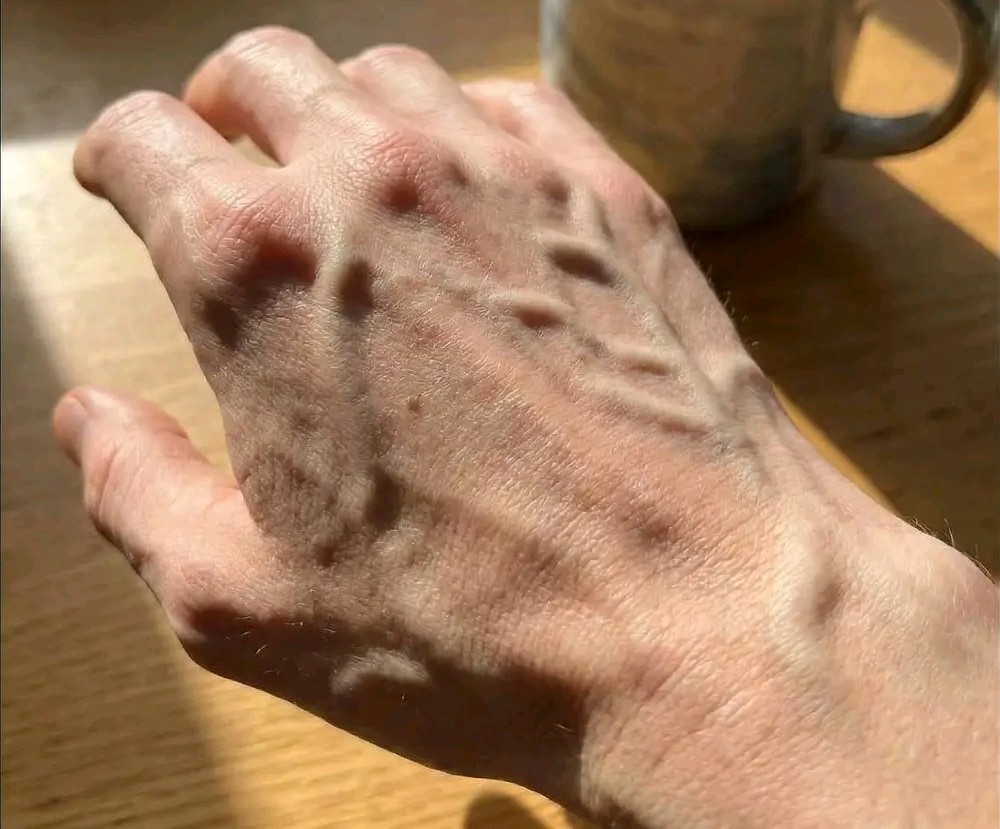
Have you ever looked at your hands and noticed prominent, visible veins and wondered what they mean? Many people assume it’s automatically a sign of a health problem, aging, or poor circulation — but medical experts say visible hand veins are usually the result of several normal physiological factors, not a single condition.
One of the most common reasons veins appear more visible is low body fat in the hands. Veins sit close to the surface of the skin, and when there is less fatty tissue covering them, they naturally become more noticeable. This is why athletes, physically active individuals, and people with lean body composition often have more visible veins.
Aging also plays a major role. As we get older, the skin becomes thinner and loses elasticity due to reduced collagen production. This thinning makes underlying veins easier to see, especially on the hands where the skin is already delicate. Doctors emphasize that this is a cosmetic change, not a medical warning sign.
Another factor is circulation and temperature. When the body is warm — during exercise, hot weather, or after a shower — blood vessels expand to help regulate temperature. This temporary expansion can make veins appear larger and more pronounced. Once the body cools down, veins usually return to their normal appearance.
Hydration status can also influence vein visibility. Mild dehydration reduces plasma volume in the blood, making veins appear more defined. This doesn’t necessarily indicate a serious issue, but chronic dehydration can impact overall circulation and skin health over time.
Hormonal changes are another contributor. Fluctuations in estrogen levels — especially during menopause or pregnancy — can affect blood vessel elasticity and skin thickness, making veins more noticeable in women. Medical professionals note that this is a common and expected change.
In some cases, genetics play the biggest role. If visible veins run in your family, you may simply be predisposed to having them regardless of lifestyle or health. This is especially common among individuals with fair or thin skin.
However, doctors advise paying attention to sudden changes. While visible veins alone are usually harmless, veins that become painful, swollen, hard, or warm to the touch should be evaluated by a healthcare professional. These symptoms could indicate inflammation or circulatory issues that require medical attention.
Importantly, visible veins are not a reliable indicator of heart disease, blood pressure problems, or serious vascular disorders on their own. Online myths often exaggerate their significance, leading to unnecessary anxiety.
From a wellness perspective, hand vein visibility has also become linked to high-CPC industries such as anti-aging treatments, cosmetic dermatology, vein therapy, hydration products, and skin health supplements. While many cosmetic options exist, experts recommend prioritizing overall health over appearance-driven concerns.
The key takeaway from medical professionals is simple: visible veins on the hands are usually a normal anatomical variation, influenced by age, body composition, temperature, and genetics. They rarely signal illness by themselves.
Understanding your body helps reduce fear and misinformation. Sometimes, what looks alarming is simply your body functioning exactly as it should — just a little more visibly than before.