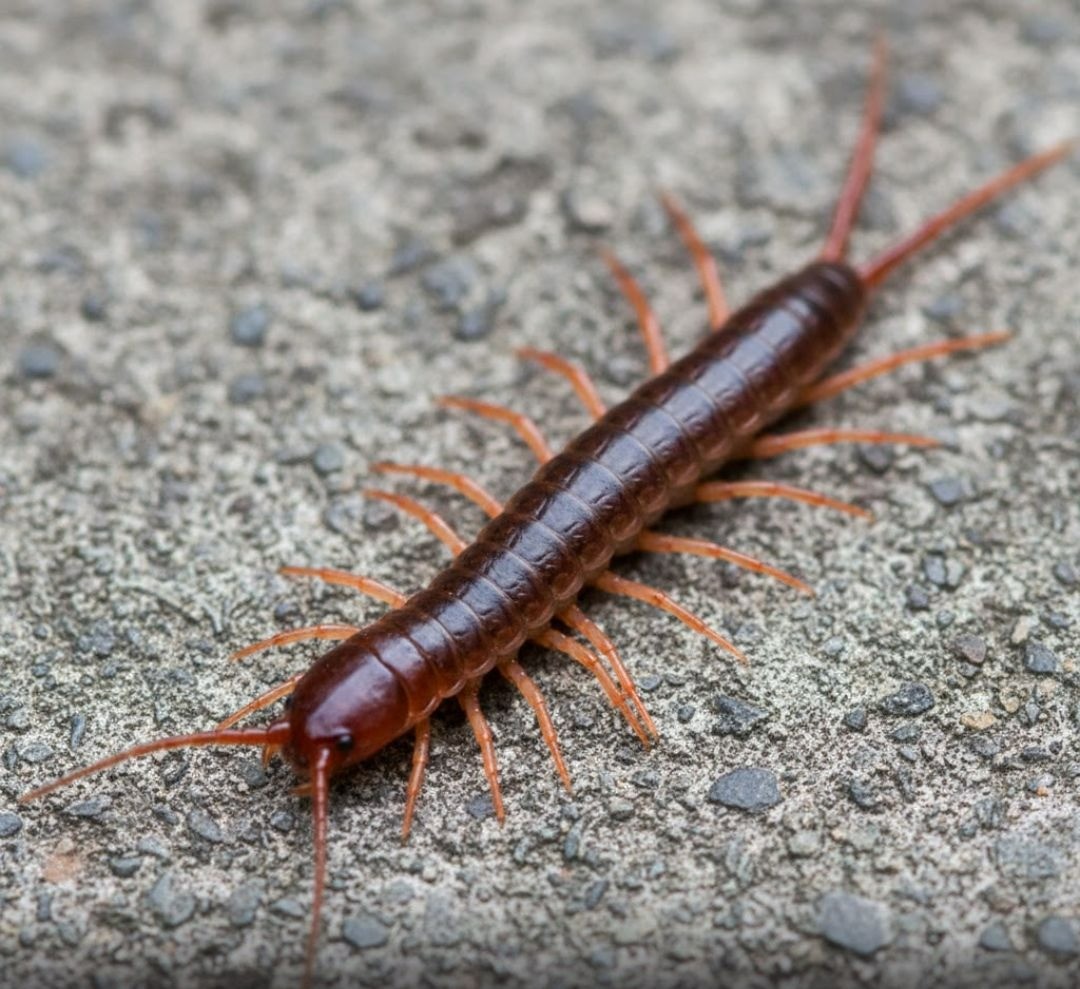
Finding a centipede in your home can be startling, but in many cultures and from a practical standpoint, it carries meaningful symbolism—both ecological and spiritual. Here’s what it commonly means and what you should do.
1. Practical & Ecological Meaning
Centipedes are predatory arthropods that hunt other insects. Seeing one indoors usually indicates:
-
You have other small pests like silverfish, cockroaches, spiders, or ants. Centipedes are nature’s pest control.
-
Moisture or humidity in certain areas (bathrooms, basements, under sinks).
-
Shelter and clutter – they like dark, undisturbed spots (piles of paper, boxes, behind furniture).
What to do:
-
Don’t panic. They’re not aggressive to humans and rarely bite unless handled.
-
Reduce moisture with dehumidifiers or better ventilation.
-
Seal cracks in walls, windows, and doors.
-
Clear clutter to reduce hiding spots.
-
Relocate it gently instead of killing it—it’s helping control less desirable pests.
2. Symbolic & Cultural Meanings
In many traditions, a centipede sighting is considered significant:
-
Adaptability & Resourcefulness: With many legs, they symbolize moving forward steadily, overcoming obstacles.
-
Protection & Defense: Their venomous bite (in some species) symbolizes self-protection and setting boundaries.
-
Balance in Ecosystems: In some Asian cultures, they represent the balance between good and bad, or a sign that nature is present in your space.
-
Old Folklore: Some believe it can symbolize hidden fears or anxieties “crawling” into your awareness, urging you to address what’s lurking in your subconscious.
3. When to Be Cautious
-
Venomous species (like some tropical centipedes) can deliver painful, though rarely life-threatening, bites. Common house centipedes (Scutigera coleoptrata) have weak venom not dangerous to humans.
-
If you have a severe infestation, it suggests a larger underlying pest problem worth addressing.
Bottom Line
Finding a centipede is mainly a practical ecological sign—you have a helpful predator reducing other pests. Symbolically, it can remind you to tackle hidden issues, protect your space, or adapt to changes.
Instead of fear, see it as a natural alert to check your home’s moisture and cleanliness. If its presence bothers you, relocate it outdoors gently. Remember: it’s more afraid of you than you are of it.