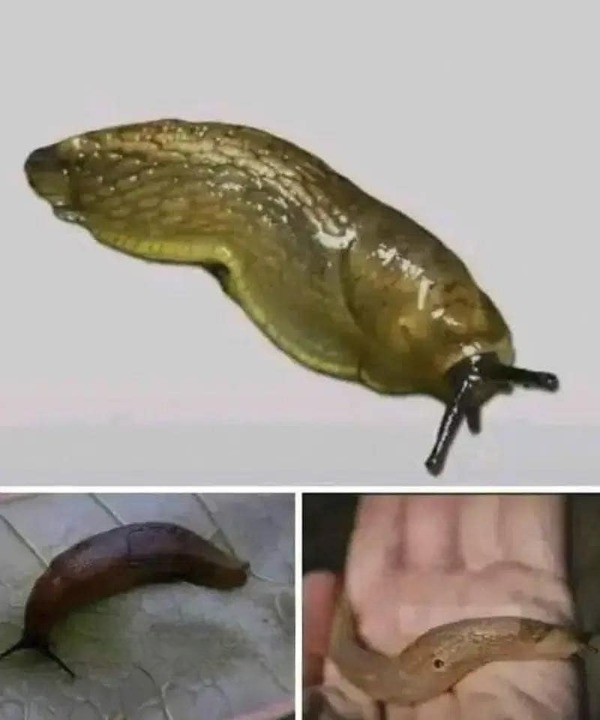
You’re washing dishes, and there it is—a glistening, slow-moving slug on your kitchen floor.
Your first reaction? Disgust. Panic. The urge to grab a shoe.
But before you stomp or spray, consider this:
A slug in your home isn’t just a pest—it could be a quiet messenger.
While slugs are often dismissed as garden nuisances, they’ve held symbolic meaning across cultures for centuries. And in practical terms, their presence indoors may reveal hidden issues in your home’s environment—from excess moisture to structural gaps.
In this guide, we’ll explore:
✅ The ecological truth about why slugs matter (they’re nature’s recyclers!)
✅ What their indoor appearance might signal about your home
✅ Cultural and spiritual interpretations from around the world
✅ Humane, effective ways to keep them outside—where they belong
Because sometimes, the most “annoying” visitor carries the most important message.
🌱 Slugs: Nature’s Secret Gardeners (Not Just Slimy Invaders)
Despite their reputation, slugs are essential decomposers in healthy ecosystems:
- They consume decaying leaves, fungi, dead plants, and even animal droppings
- Their digestion breaks down organic matter into nutrient-rich castings that fertilize soil
- They support biodiversity by creating micro-habitats for insects, fungi, and microbes
💡 Gardeners, take note: A few slugs in your yard are a sign of healthy, living soil—not a problem to eradicate.
In fact, scientists are studying slug mucus for its potential in:
- Medical adhesives (it sticks underwater!)
- Wound-healing compounds (some species produce antimicrobial peptides)
- Eco-friendly skincare (yes, “snail mucin” in Korean beauty products often comes from related mollusks)
So while you may not want one in your pantry, slugs are far from useless.
🏠 Why Is a Slug in Your House? 4 Likely Causes
Slugs don’t seek out human homes—but they’ll enter if conditions are right. Here’s what their presence may reveal:
1. Excess Moisture or Humidity
Slugs need damp environments to survive. If they’re inside, you likely have:
- Leaky pipes under sinks
- Poor ventilation in basements or crawl spaces
- High indoor humidity (above 60%)
✅ Fix it: Use a dehumidifier, fix leaks, and ensure exhaust fans run during showers.
2. Cracks or Gaps in Your Foundation
Slugs can squeeze through openings as small as 1/8 inch.
Common entry points:
- Around pipes entering the house
- Cracks in basement walls or floor joints
- Gaps under doors (especially patio or basement doors)
✅ Fix it: Seal cracks with caulk or expandable foam. Install door sweeps.
3. Indoor Plants or Potted Soil
Potted plants brought inside may harbor slug eggs or juveniles in the soil.
✅ Fix it: Inspect plant soil before bringing indoors. Let soil dry between waterings.
4. Food Sources Nearby
While slugs prefer decaying matter, they’ll nibble on:
- Overripe fruit left on counters
- Pet food left out overnight
- Compost bins stored too close to the house
✅ Fix it: Store food securely and keep compost bins at least 10 feet from your home.
🌍 What Does a Slug Symbolize? Cultural & Spiritual Meanings
Across traditions, the slug carries profound symbolism:
- Celtic Folklore: A slug in the home signifies impending rain or a need to “slow down” and be patient.
- Native American Wisdom: Represents persistence, adaptability, and quiet transformation—moving steadily toward goals.
- Chinese Symbolism: Associated with yin energy—intuition, receptivity, and healing.
- Dream Interpretation: Seeing a slug may signal repressed emotions or the need to “digest” a difficult experience.
🌿 Spiritual takeaway: The slug doesn’t rush. It leaves a trail. It transforms decay into life.
Perhaps your home needs that same gentle, patient energy.
🚫 What NOT to Do (Avoid Harmful “Quick Fixes”)
Many people reach for salt, bleach, or pesticides—but these are cruel, toxic, and often ineffective long-term.
- Salt dehydrates slugs painfully—it’s inhumane
- Bleach harms pets, soil, and pipes
- Pesticides endanger beneficial insects and pets
✅ Humane & Effective Ways to Remove & Prevent Slugs Indoors
To Remove a Slug:
- Gently scoop it with a piece of cardboard or spoon
- Relocate it to a shady, moist garden area away from your home
- Wash the spot with soapy water to remove its slime trail (which attracts others)
To Keep Slugs Out:
- Reduce outdoor lighting near doors (slugs are drawn to light-attracted insects)
- Clear leaf litter and debris within 3 feet of your foundation
- Create a dry barrier: Spread diatomaceous earth (food-grade) or crushed eggshells along entry points
- Use copper tape: Slugs avoid crossing copper—it gives them a mild electric shock
💬 Final Thought: A Visitor, Not a Vermin
A slug in your home isn’t a curse.
It’s not a sign of filth or failure.
It’s simply a creature seeking moisture, shelter, or food—and its presence is an invitation to look deeper:
Is your home too damp? Are there unseen cracks? Could you benefit from slowing down, like the slug does?
So next time one appears, don’t panic.
Observe. Learn. Act with kindness—to the slug, your home, and yourself.
🌧️ After all, even the slimiest visitor has a role in the web of life.
Did this change how you see slugs?
👉 Save this guide for your next unexpected visitor
👉 Share it with a gardener, homeowner, or curious friend
👉 Comment below: Have you ever found a slug indoors? What did you do?
Disclaimer: While slugs are generally harmless, they can carry parasites (like rat lungworm) in some regions. Always wash hands after handling and avoid direct contact. If you have pets, monitor outdoor slug activity, as ingestion can be dangerous.