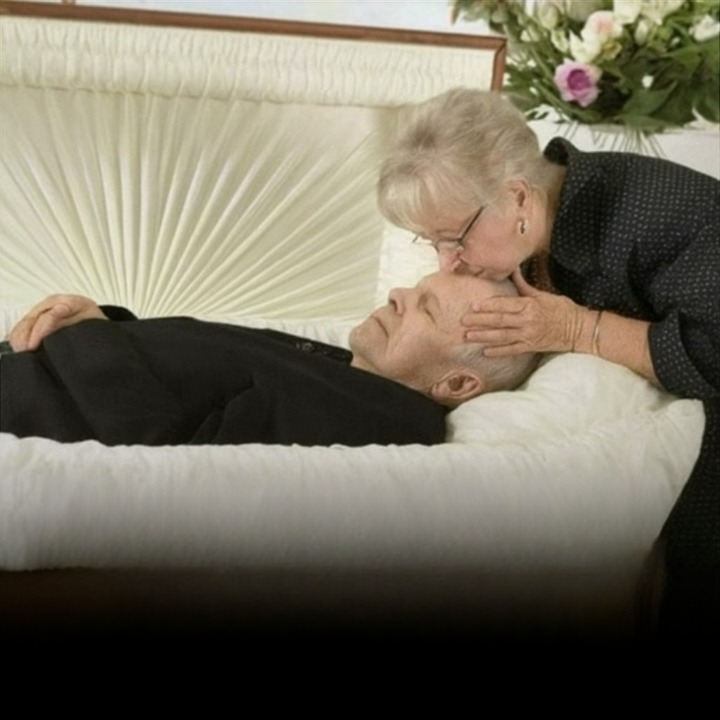
For generations, a final kiss on the forehead of a deceased loved one has been a sacred, deeply human act—a tender farewell that helps grieving hearts begin to heal.
But in recent years, some medical professionals—like Dr. Viktor Ivanovik, a Moldovan physician with over 300,000 followers—have issued a gentle but firm warning: in certain circumstances, that final kiss could carry risk.
His message went viral—and sparked intense debate.
Was he promoting fear? Or offering a necessary caution in an age of infectious disease?
The truth lies somewhere in between.
This isn’t about denying love.
It’s about honoring both the departed and the living—with awareness, respect, and care.
🦠 The Medical Reality: What Happens to the Body After Death?
When a person dies, their body doesn’t instantly become sterile. In fact:
- Bacteria and viruses can remain active for hours or even days, depending on the cause of death and environmental conditions.
- Infectious diseases like tuberculosis, MRSA, hepatitis, or respiratory viruses (including influenza and SARS-CoV-2) can linger in bodily fluids, skin, and mucous membranes.
- Embalming delays but doesn’t eliminate all pathogens—especially if performed hours after death.
⚠️ Key fact: The risk isn’t from “death itself,” but from how the person died. If they passed from a contagious illness, traces of that illness may still be present.
Dr. Ivanovik’s warning wasn’t blanket—it was contextual:
“If someone died from an infectious disease, close contact—even a kiss—can transmit germs, especially to vulnerable people like children, the elderly, or those with weakened immunity.”
🌍 A Tradition Across Cultures—And Why It Matters
Around the world, physical farewell rituals are deeply ingrained:
- In Orthodox Christian traditions, families kiss the forehead of the deceased as a sign of respect and love.
- In many Latin American and African cultures, washing, dressing, and touching the body is a communal act of care.
- In Western funerals, holding hands or placing a hand on the casket is common.
These acts aren’t superstition—they’re psychological anchors.
Studies show that viewing and gently interacting with the body helps the brain process loss, reducing complicated grief and trauma.
❤️ Grief experts agree: Rituals matter. They help us say, “This is real. I am here. I loved them.”
⚖️ Balancing Love and Safety: When to Be Cautious
Public health guidance doesn’t aim to erase tradition—it aims to protect the living so they can continue to grieve safely.
✅ Low-Risk Situations (Kissing/Touching Is Generally Safe):
- Death from natural causes (e.g., heart failure, cancer, old age)
- Body has been properly embalmed and refrigerated
- No known infectious illness at time of death
⚠️ Higher-Risk Situations (Use Caution or Avoid Direct Contact):
- Death from active infection (e.g., active TB, untreated sepsis, recent COVID-1, flu, or viral hemorrhagic fever)
- Unembalmed body in warm conditions (bacteria multiply faster)
- Open wounds, sores, or bodily fluid leakage present
- Vulnerable attendees (infants, pregnant women, immunocompromised individuals)
🏥 During outbreaks (like pandemic flu or Ebola), health authorities often recommend brief viewing without direct contact—not out of disrespect, but to prevent secondary tragedies.
🤲 Safe Ways to Say Goodbye—Without Physical Contact
If risk is a concern, you can still honor your loved one meaningfully:
- Place a hand near (not on) the casket
- Blow a kiss or place a flower on the chest
- Write a letter and tuck it into their clothing
- Hold a shared moment of silence or prayer
- Use a keepsake (a lock of hair, a handprint mold) created by funeral staff
Many funeral homes now offer “last touch” gloves or sanitized viewing protocols for those who need reassurance.
💬 “You don’t need skin-to-skin contact to say ‘I love you’ one last time.”
💡 What Families Should Ask the Funeral Home
If you’re unsure, ask:
- “Was the cause of death infectious?”
- “Has the body been embalmed or sanitized?”
- “Are there any public health advisories we should know about?”
Most professionals will guide you with compassion and clarity.
❤️ Final Thought: Love Doesn’t Require Risk
A final kiss is beautiful—but love doesn’t depend on a single gesture.
What matters most is the intention behind your farewell: tenderness, gratitude, closure.
And that can be expressed in countless ways—some silent, some symbolic, all sacred.
So if caution is advised, don’t see it as denial of love.
See it as an extension of care—for your loved one’s memory, and for those left behind.
🕯️ Because true remembrance lives in the heart—not just the lips.
Found this helpful during a difficult time?
👉 Save this guide for future reference
👉 Share it with a grieving friend or family member
👉 Comment below: How did you say goodbye to your loved one?
Disclaimer: This article is for informational purposes only and not medical advice. Always follow guidance from your healthcare provider, funeral director, or public health authority regarding post-death contact.